Vehicle-to-Grid (V2G)-Whitepaper : How bidirectional charging finances the energy transition
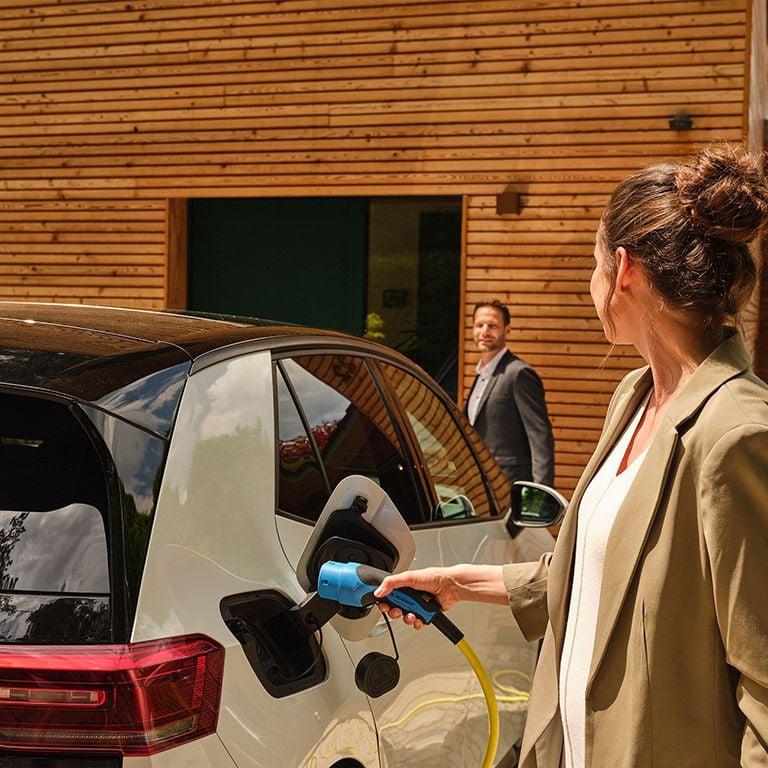
An electric car that earns money while parked? This is not a vision of the distant future; it is a reality known as Vehicle-to-Grid (V2G). Electric vehicles don’t just draw power; they can also feed electricity from their batteries back into the public grid. This transforms a pure energy consumer into an active participant in the energy market.
V2G turns the car battery into a mobile building block of our energy system - millions of times over, distributed across the entire country. The advantage: since these batteries already exist, no additional large-scale storage facilities need to be built. In this way, V2G addresses the most pressing challenge of the energy transition: the lack of flexibility. Parked electric vehicles represent the country’s largest untapped storage resource.
While Vehicle-to-Grid might not suit every target group or usage profile immediately, letting this potential for savings and innovation go to waste would be a major oversight. Financially and macroeconomically, the math is clear: the flexibility offered by millions of car batteries would otherwise have to be bought at a high price, requiring billions in investments for grid expansion, additional stationary large-scale storage, or new gas-burning power plants.
Our latest whitepaper provides a clear and well-researched overview of the 7 key pillars required to unlock the flexibility of EV batteries and turn V2G into a reality. Germany’s largest power plant is already standing by.
Download our free whitepaper now to learn more! ➡️